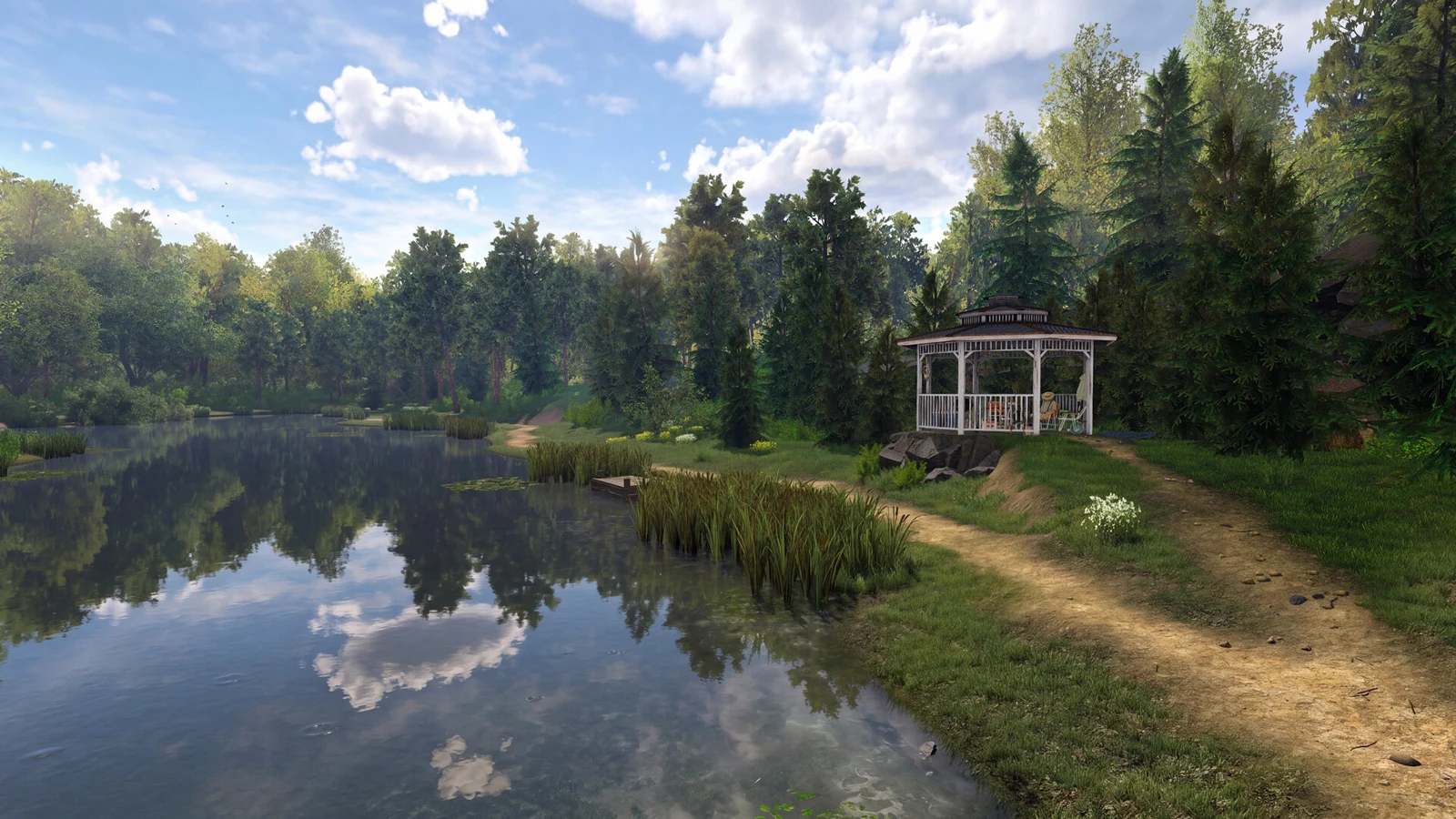
Divide the view sensibly
Choose visible reference areas rather than throwing at random. You might compare an open direction with one nearer a visible edge, provided both are accessible. This gives the search a structure without claiming that a particular feature always holds predatory fish. Read in-game information about the species and location as part of your preparation.
Use a familiar retrieve
An unfamiliar technique can make every direction feel different for unrelated reasons. Search with an action you recognise, then consider changing the action as a separate trial. Keep a short note of the directions you explored. The goal is to know what you have actually tried, not to produce a map of guaranteed catches.
Know when the question changed
If you move to another location or change the setup, mark a new comparison. It is fine to explore freely, but acknowledge when the original experiment has ended. That small habit stops a long session from becoming one vague story in which every outcome is attributed to the last lure you equipped.
A practical exercise
Name two accessible reference directions before casting. Explore them using a familiar retrieve and record which direction each attempt belonged to. If you decide to change the retrieve, begin a new note. This prevents the last change from becoming the assumed explanation for the whole search.